Winter in Key West brings some of the most unique and constantly shifting conditions of the entire year. While the rest of the country is dealing with freezing temperatures, the Keys experience mild cold fronts, lower humidity, and clean bluebird skies. These changes influence how fish move through the Backcountry and flats, and each trip is planned around wind direction, tide stages, and how quickly water temperatures adjust.
Winter offers a wide range of species, steady action on light tackle, and the chance to fish protected areas even when conditions shift.
Cold fronts arrive throughout winter, each one briefly cooling the air and water. Typical winter temperatures are in the mid-70s, with occasional dips into the 60s during stronger systems. As fronts pass, bluebird skies are common, bringing clear, crisp mornings and cooler overnight temperatures.
Â
Because conditions can change daily and sometimes hourly, winter fishing requires close attention to wind direction, tide flow, and bait availability. Fortunately, the Backcountry offers many protected areas to fish comfortably even on breezier days.

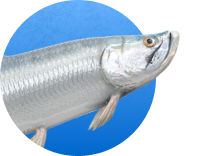
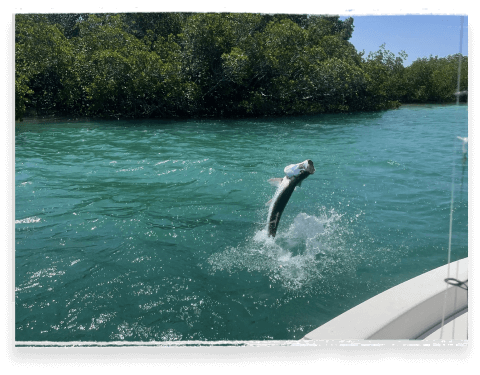
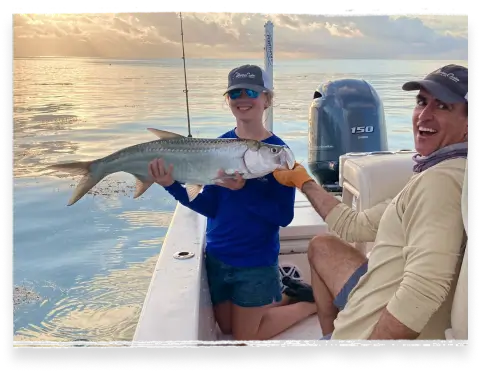
A day or two before a cold front arrives, winds often become light. These calm periods can produce excellent early-morning opportunities for resident tarpon fish that stay in Key West year-round. Winter tarpon windows are shorter and conditions-dependent, but when timing lines up, anglers may encounter strong bites along warm, protected edges.
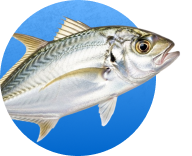
Pound-for-pound some of the hardest fighters in the Backcountry, jack crevalle, bar jacks, yellow jacks, and blue runners all feed aggressively during the cooler months.
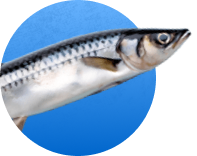
Spanish mackerel are common around channels and moving water, especially when bait gets pushed by shifting winds.
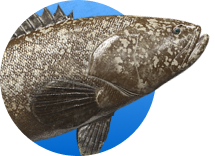
Winter weather occasionally sets up opportunities for cobia, grouper, and other roaming species that move through deeper edges of the Backcountry.
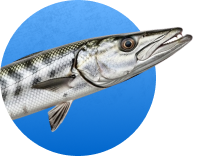
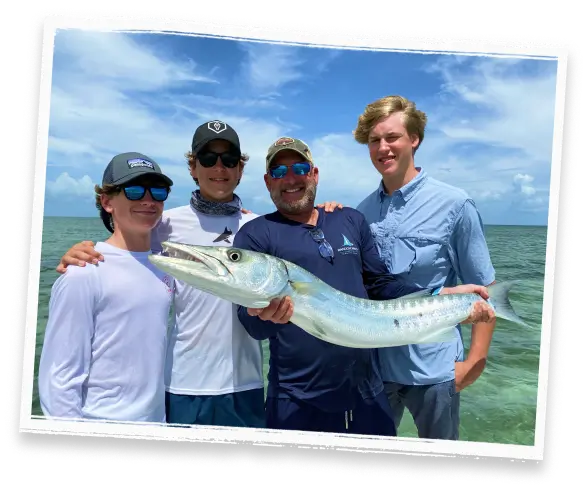
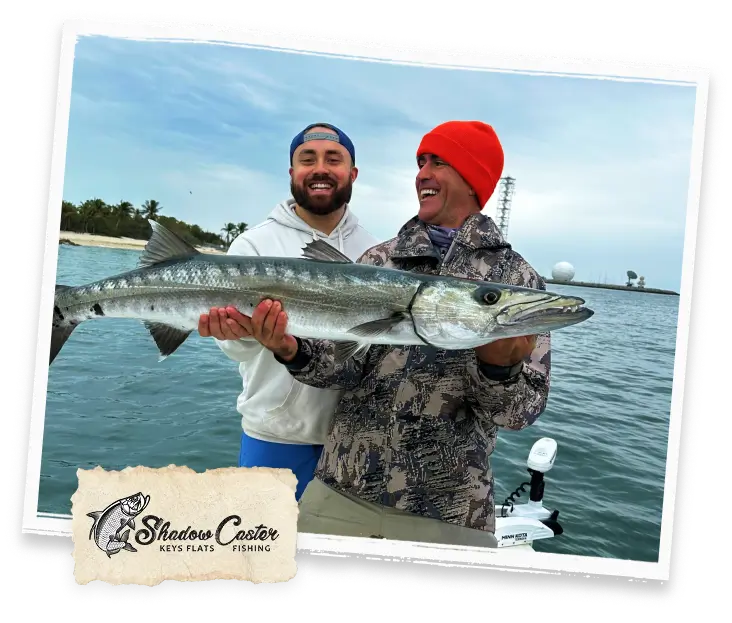
Cold fronts often spark excellent shallow-water barracuda fishing. These top predators are extremely visual in winter, striking aggressively at fast-moving artificials.
Winter is prime time for fishing the shallower basins and bays in 4–8 feet of water. These areas can produce sea trout, ladyfish, jacks, snappers, sharks, and lookdowns often on consecutive casts.
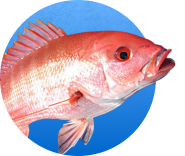
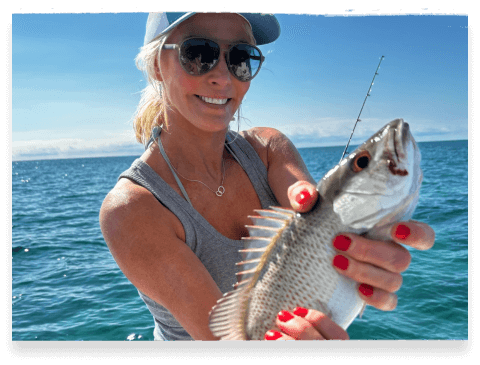
Mangrove (gray), yellowtail, mutton, schoolmaster, and lane snappers remain active in winter. These species prefer structure and protected pockets of water, and winter conditions often stack them into predictable areas.
Because winter conditions can shift quickly, flexibility is key. Techniques include:
Having the right bait is especially important in winter, and full livewells allow us to keep steady action throughout the day.
Fall fishing takes place throughout the Backcountry, with captains selecting areas based on how each front influences the water. Common locations include:
gives us many options to adapt to each day’s weather pattern.
This season is a great choice for anglers who enjoy variety, steady action, and learning how changing conditions influence the fishery.
Winter brings changing conditions and a wide variety of inshore species, making it an excellent season to explore the Backcountry and flats with an experienced Key West captain.